Ali Thameem
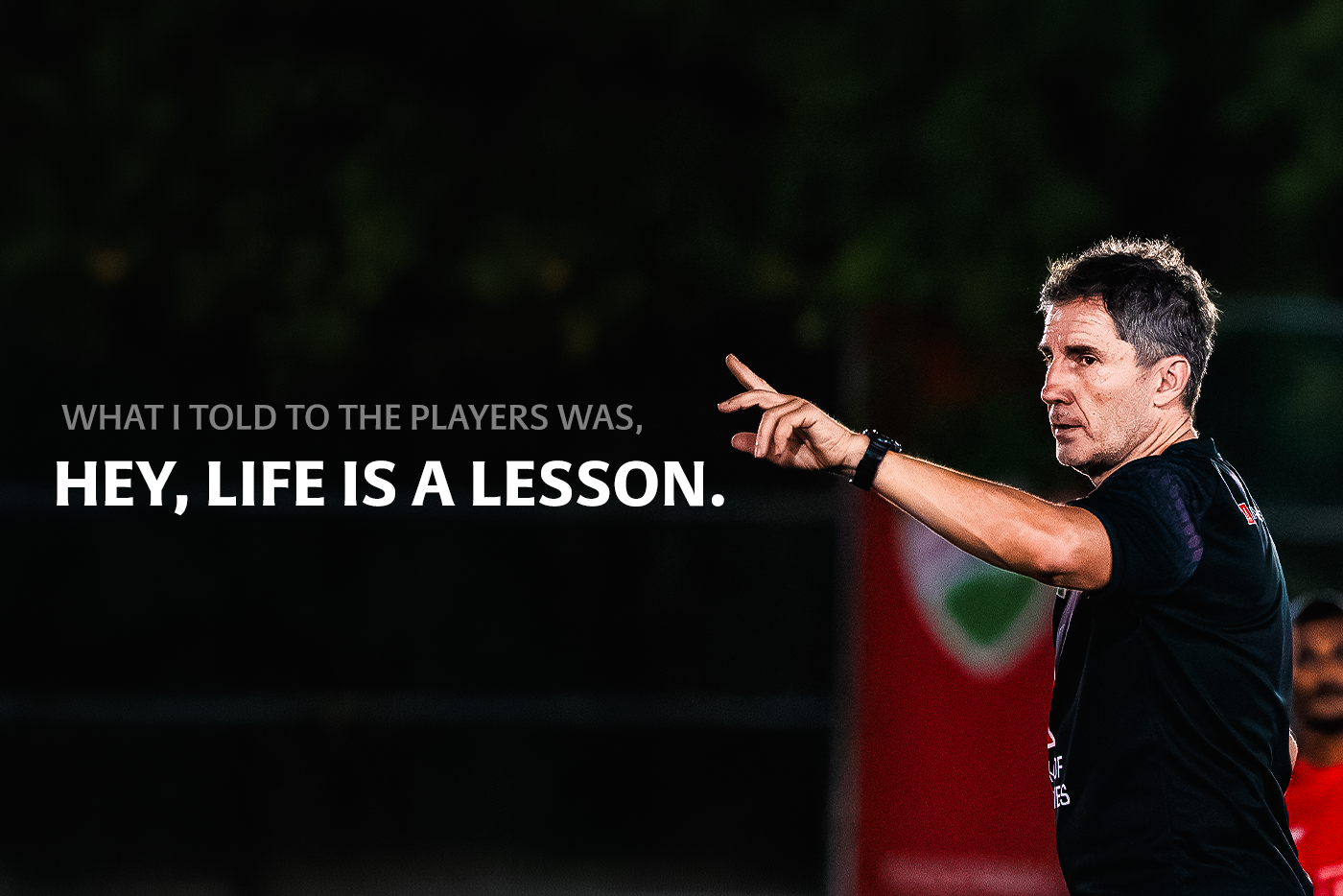
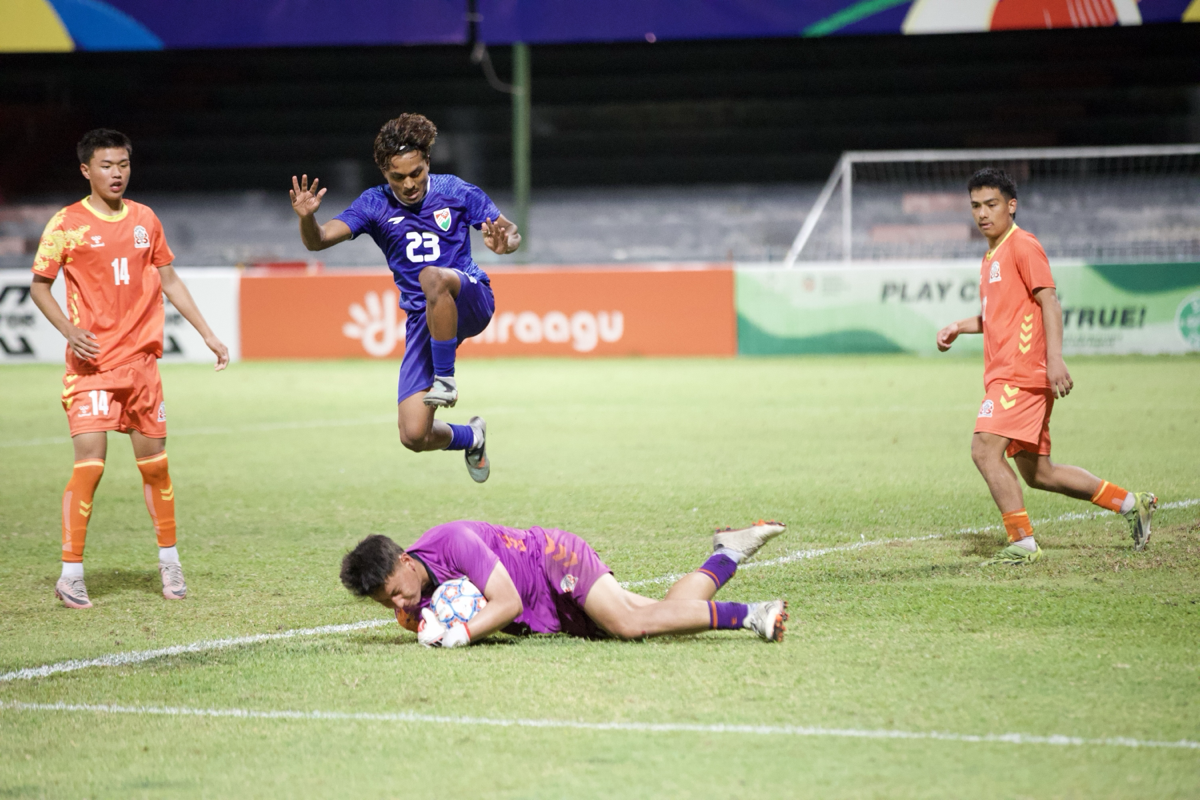
Following last night’s game against Bhutan, Maldives U20 national team coach Istavan Urbanyi had a lot to share; from the mismatch between the public’s expectation versus what is realistic, to players’ issues with fitness and their off-field behaviour, Urbanyi did not hold back in expressing what he demands of the team as well as with his frustrations about the situation.
Urbanyi reminded us that when competing in age-group championships like this, we have to understand that “Obviously we would love to win… but at the meantime, we have to discover players.. we have to start developing players”.
Urbanyi reflected on the difficulties of training during Ramadan, and the resulting change of routines: “The players are not ready to go back to the normal schedule. Literally, they cannot sleep, during the night” He says if you are fasting while training for six weeks (as the Maldives players have done), it will take time to go back to the normal schedule.
“So it is really challenging. That is partly why you see even more (muscle) cramps”. Urbanyi later pointed out the fact that some people bring up fitness of the players. “This is not about fitness. It is not a fitness question, It is a long term physical development question”.
Another difficulty he pointed out was that, most of these player in the squad have not had enough game minutes during the season. “They have to play under pressure. That is something new for them.. And for most of them, this is the first big competition at home, so they are feeling different kinds of emotions”.
When asked about the chances left for Maldives, and about the expectations and hopes from the public, “You know what’s realistic? These players are honestly not prepared for this kind of competition. So, can i ask.. where are those expectations coming from? Who created those expectations? I can show you the playing time of most of these players in the last eight months. So where is the expectation coming from?”
“Expectation is coming from social media. It is coming from here and there.. like ‘next golden generation’.. (Not necessarily, but) we have skillful players, who HAVE to be developed.”
He clarified that expecting in of itself is great. That we all are expecting (good) results. Ubranyi implied the importance of context when expecting such results. “That is part of the development of that these players, that they are able to kind of give a good answer for those expectations. But they are not there, yet”.
“Yeah, we have some skills. But also you can tell (from the two games) how much work we have to invest into this. So.. you can talk about expectations if you prepare. If you provide the right environment… If you test these players, in these kinds of matches, regularly, then you can have expectations.
“And I (want to) make this clear, the expectation (of the public) is just about the result. It is wrong. The expectation should be about discovering players. It should be about, ‘Okay, let’s see what we have’.”
On the topic of fitness, Urbanyi did not hold back when condemning some of the players’ lifestyle choices: “Can I tell you one of my players’ diet? Eating habit? I’m surprised they can survive the match! Expectation?.. If you don’t eat. If you don’t drink, would you expect working towards the result?”
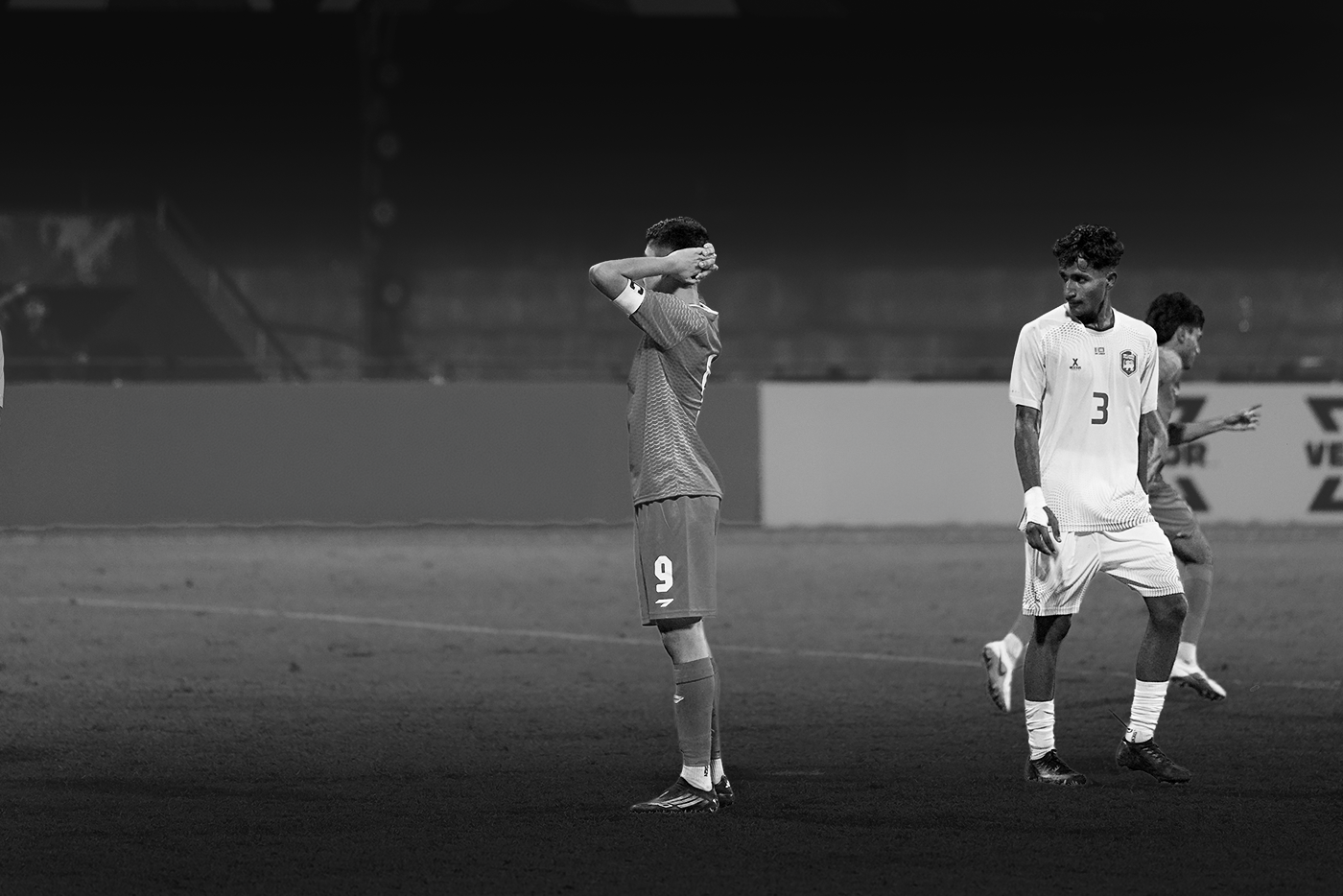
He finished the press conference with a message to some of the players. “Today we were a little behind my expectations. From Akmal and from Ahu (Ahuzam Rasheed). They should give more, especially Ahu. BUT, he is young. He has to experience these kinds of moments, to make us happy in the future”.
He reminded us that these are young players, playing with confidence on the field, and that is a positive thing. But his advise is to stop rushing. “Like Ethan, he is using extra energy for things he shouldn’t do. My expectation is that we can fix these things”.
For Urbanyi, this competition is primarily about the observation. “I wanna see where we are at. As I said, if we can make it clear where we are at, then we can start working with this generation (of players). And then we might have these (so-called) expectations”.