 Rifau
Rifau
FIFA’s plan to bring private investors into the commercial operation of its competitions is being sold as progress. Billions could be raised, development funding could increase, and smaller football nations such as the Maldives could receive more support. But development money should not be used to justify the privatisation of the World Cup. Supporting smaller associations is already FIFA’s responsibility.
The World Cup became valuable because ordinary people made it valuable. Children played in streets, on beaches and in cramped neighbourhoods. Families stayed awake through the night to watch distant countries. Supporters spent money they could barely afford. The public created the emotion, culture and audience that investors now want to purchase. It is a familiar story: created by the poor, stolen by the rich.
FIFA says it would retain sporting control, but ownership changes the relationship. Private investors do not contribute billions out of love for football; they expect returns. That pressure could mean more matches, higher ticket prices, expensive broadcasting packages and competitions designed around the richest markets. Investors may not write the rules, but their financial expectations will shape the decisions.
UEFA is right to oppose the proposal, even if European football has contributed heavily to the game’s commercialisation. Europe’s richest clubs and leagues have long treated supporters as consumers, but that does not make UEFA’s warning wrong. There must be a line between earning revenue from football and selling ownership in the institutions that govern it.
Concacaf must now decide whether it will merely demand better consultation or oppose the principle itself. Its position matters because it represents both wealthy commercial markets and smaller nations dependent on development funding. The same applies to the Asian Football Confederation and the Maldives. Small associations should not trade their votes for promises of short-term financial rewards.
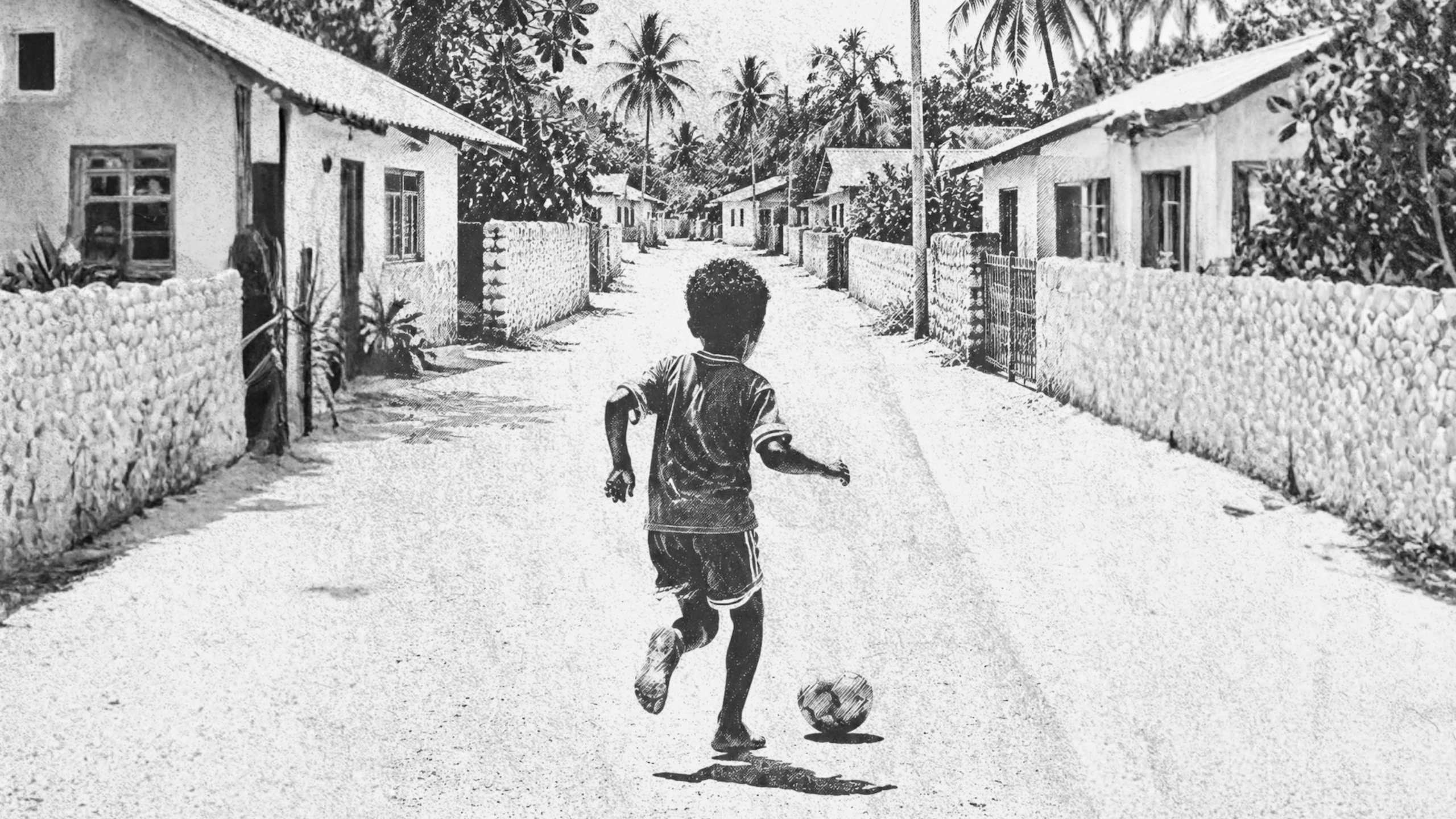
A Maldivian child may never see our national team play at a World Cup, but the tournament still belongs to us. We play, watch, support and contribute to the global audience that makes it valuable. FIFA administers the World Cup; it does not own the world’s love for it. The game should be from everyone, and it must remain for everyone.